hawaii
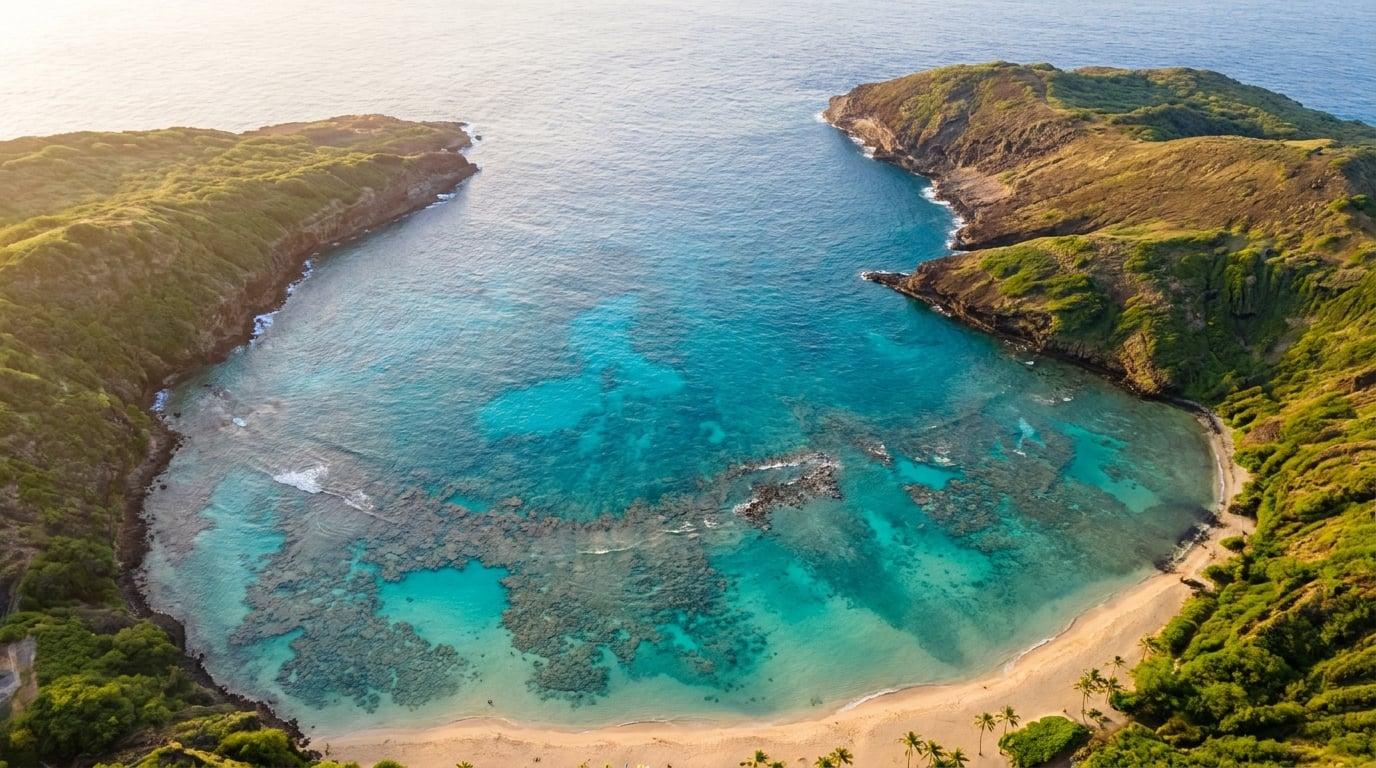
Hanauma Bay looks like a postcard-perfect beach, and it is—but it's also a strictly protected marine preserve with firm rules that catch many families off guard. Unlike a typical Hawaiian beach park, you cannot simply turn up, spread a towel and wade in. The preserve enforces a reservation system, a mandatory educational video, a daily visitor cap and a long list of coral-protection rules. For families travelling with young children, understanding these requirements before you arrive saves frustration and ensures a safe, respectful visit.
This guide walks you through every rule that matters when you're visiting Hanauma Bay with children, from booking tickets to keeping toddlers safe around coral.
Book reservations exactly 48 hours ahead
Hanauma Bay requires advance reservations for every visitor aged 13 and over. Tickets go on sale at 7 a.m. Hawaii time, exactly 48 hours before your visit date. If you want to visit on Thursday, you must be online at 7 a.m. on Tuesday. The system releases a limited number of slots—40 visitors every ten minutes, capped at 1,400 people per day—and tickets often sell out within five to ten minutes.
Parents should set an alarm and be ready at a computer or phone before 7 a.m. sharp. The booking window on the official city site can be slow when demand is high, so patience and a fast internet connection help. If you miss the first release, check back periodically; cancellations do open up, though they're rare.
Children aged 12 and under enter free and do not need a separate reservation, but they must accompany a ticketed adult. Bring photo ID for adults and proof of age for children if asked. Parking is first-come, first-served even with a reservation, so plan to arrive early—by 7 a.m. if possible—to secure a spot in the upper car park.
[[image:1]]
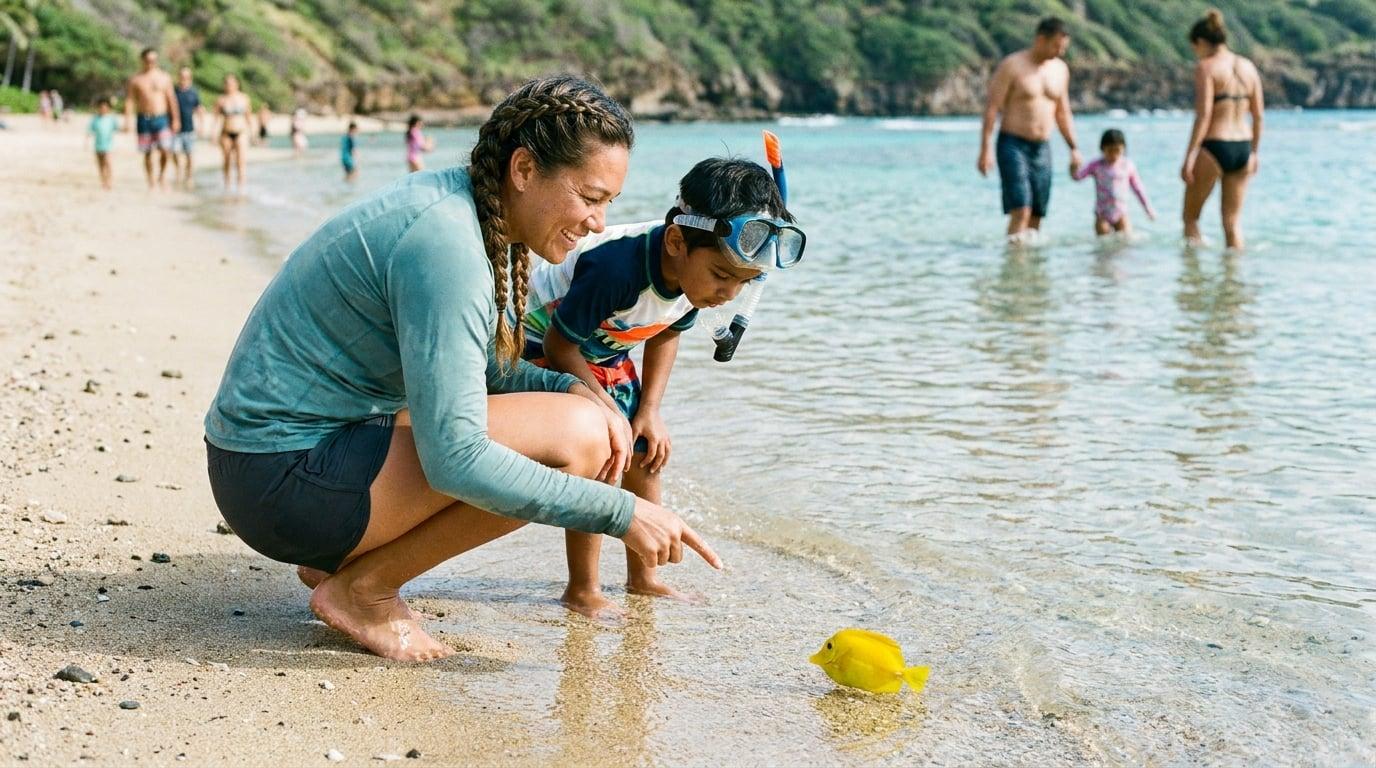
Every visitor watches the mandatory nine-minute video
Before anyone steps onto the sand, every visitor—including children—must watch a nine-minute educational video. This is not optional. The video covers the bay's volcanic history, its fragile coral ecosystem, the importance of not feeding or touching marine life, and basic water-safety rules. It plays on a loop in the visitor centre, and entry to the beach is controlled by staff who check that you've watched it.
For families, this means factoring in at least 15 to 20 minutes at the visitor centre before you reach the water. Toddlers and young children may fidget, so bring a quiet toy or snack to keep them settled. The video is straightforward and not frightening, but it does emphasise the preserve's rules clearly, which helps set expectations for older children before they snorkel.
Once the video finishes, you're free to walk down the paved path to the beach or take the tram if you prefer. The tram costs a small fee and runs continuously during opening hours.
The bay is closed Tuesdays and outside daylight hours
Hanauma Bay is closed to all visitors every Tuesday, year-round, to give the reef a rest. It is also closed every night. From Memorial Day weekend through Labor Day weekend, the preserve closes at 7 p.m.; the rest of the year it closes at 6 p.m. The gates open at 6.45 a.m. Wednesday through Sunday.
Families should plan visits for mid-morning if possible. Arriving at opening time gives you the calmest water and the best chance of parking, but it also means a very early start with children. Mid-morning—between 9 and 11 a.m.—balances decent conditions with a more realistic schedule for families with young children who need breakfast and time to get ready.
Avoid planning a visit on a Monday; the bay is closed, and many families make this mistake.
[[image:2]]
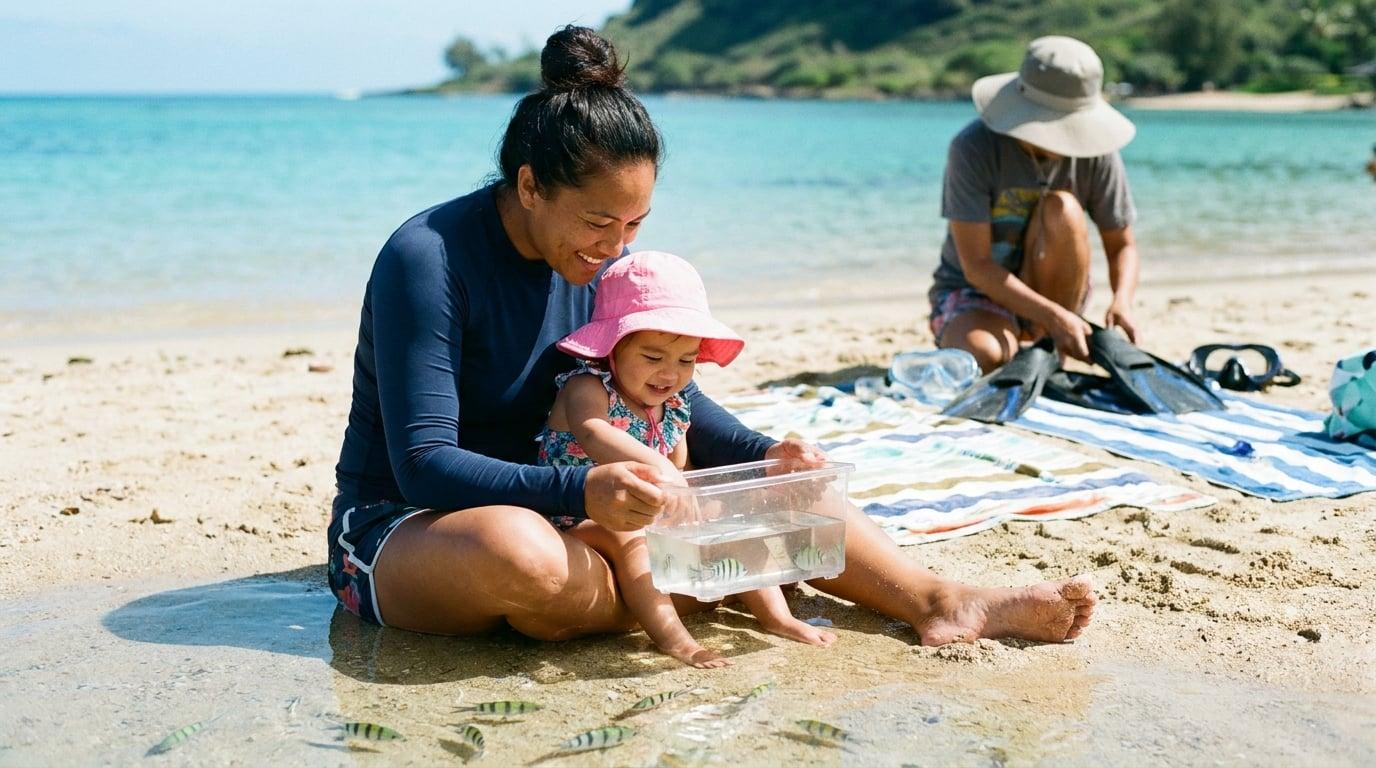
Do not touch, stand on or feed anything
The single most important rule at Hanauma Bay is this: do not touch the coral, do not stand on the reef, and do not feed the fish. The coral formations are fragile, sharp and legally protected. Standing on coral kills it, and touching it can cause painful cuts and infections. Fish feeding disrupts their natural behaviour and harms the ecosystem.
For families, this means actively supervising children in the water. Teach children before you arrive that coral is alive, that it takes decades to grow, and that even a light touch can damage it. Young snorkellers often try to steady themselves by reaching for the reef—redirect them to float or swim back to shallow water instead.
Stay within the marked swimming areas, which are clearly signed by buoys and lifeguard instructions. The sandy entry zones are safe, but coral begins just beyond the shallow flats. If your child is nervous or tired, guide them back to shore rather than letting them drift toward the reef.
Lifeguards enforce these rules and will call out anyone standing on coral or venturing into restricted areas. Listen to them; they know the bay's conditions and hazards intimately.
Snorkel only within your ability and your children's comfort
Hanauma Bay's calm, shallow left side (facing the ocean) is ideal for beginners and families with younger children. Water here is often knee- to waist-deep close to shore, and fish are abundant even in very shallow areas. Children can stand comfortably, observe marine life and build confidence without needing to swim far.
Do not pressure nervous swimmers to go deeper or farther out. The best family snorkelling happens when everyone feels calm and in control. For toddlers or children hesitant to use a mask, bring a clear-bottom viewing bucket—it lets them see fish and coral without putting their face in the water.
Water conditions can change quickly. Always snorkel within sight of shore, keep children within arm's reach if they're inexperienced, and return to the beach before anyone gets tired. Currents near the reef edge and the channel on the right side of the bay are stronger and not suitable for young children.
Life vests are allowed and recommended for children who are still building swimming confidence. Snorkel-vest hybrids give buoyancy without restricting movement.
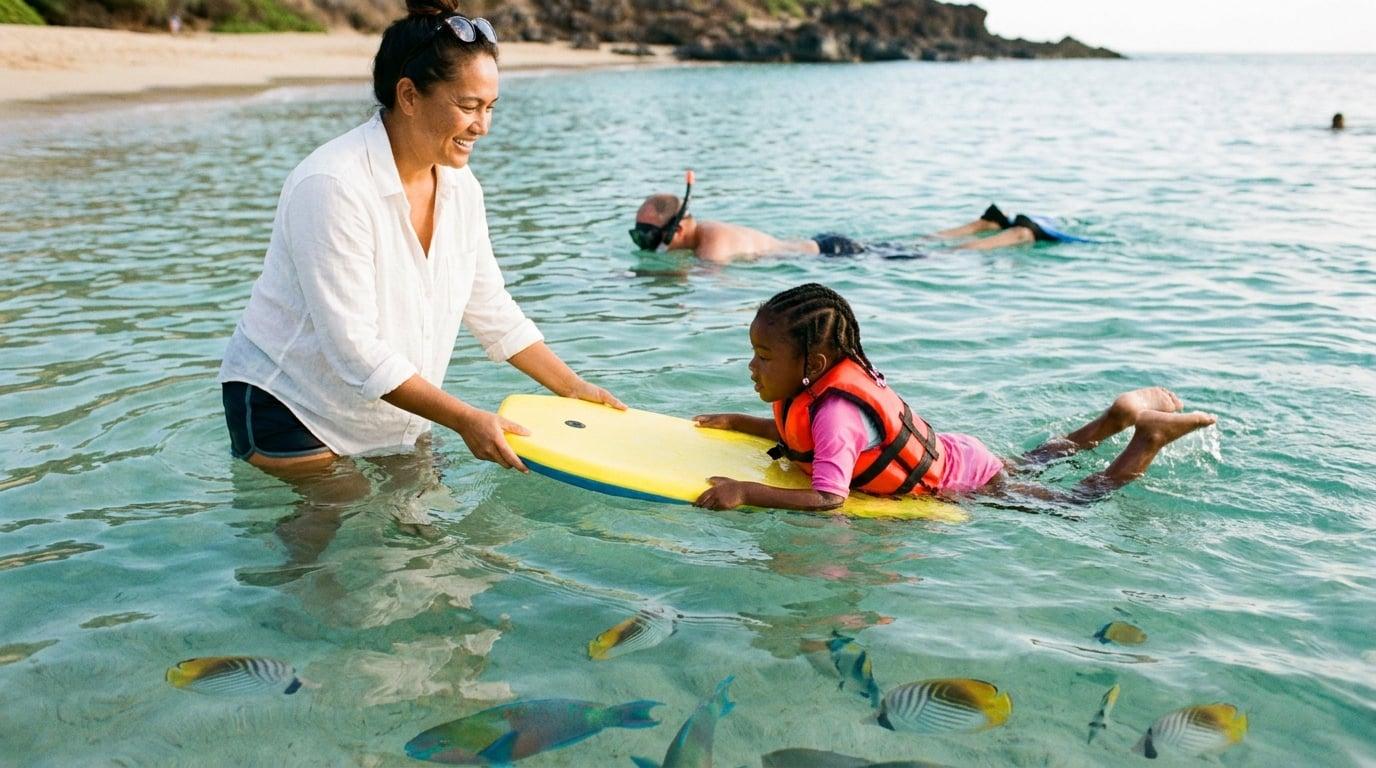
How a local nanny helps here
Managing snorkel gear, watching multiple children in the water, applying sunscreen and keeping track of belongings is a lot for two parents at a busy preserve like Hanauma Bay. The Travel Nanny matches you with an experienced local nanny who knows the bay's layout, the safest entry points for children and how to keep toddlers engaged and safe near the water. Your nanny can help with gear, supervise children while you snorkel, and give you the breathing space to enjoy the bay as a family without constant logistics.
[[image:3]]
What to bring and what's not allowed
Hanauma Bay has limited facilities and no food vendors inside the preserve. Bring reef-safe sunscreen—Hawaiian law prohibits sunscreens containing oxybenzone or octinoxate, which damage coral. Look for mineral-based formulas with zinc oxide or titanium dioxide. Apply generously and reapply after swimming.
Bring your own snorkel gear if possible. Rentals are available on-site, but personal masks and snorkels ensure a better fit, especially for children. Fins help even in shallow water. Water shoes or reef sandals protect feet from sharp coral fragments and rocky patches near the shore.
Pack plenty of drinking water in reusable bottles and non-perishable snacks. A small cooler with sandwiches, fruit and snacks keeps energy up, especially with young children who tire quickly. A waterproof dry bag protects phones, keys and wallets while you're in the water.
Beach umbrellas and pop-up tents are allowed and strongly recommended—shade is limited, and the sun is intense. Bring towels, a change of clothes and a basic first-aid kit.
Alcohol is not permitted. Smoking is prohibited throughout the preserve. Do not remove sand, coral, rocks or shells; everything stays in the bay.
Family visit checklist
- Book reservations exactly 48 hours in advance at 7 a.m. Hawaii time
- Arrive by 7 a.m. to secure parking; gates open at 6.45 a.m.
- Allow 20 minutes for the mandatory video before reaching the beach
- Bring reef-safe sunscreen, water shoes, snorkel gear and plenty of water
- Pack snacks, towels, shade and a waterproof bag for valuables
- Stay in shallow, marked swimming areas; never touch or stand on coral
- Supervise children closely; snorkel only within everyone's ability
- Teach children not to feed fish or disturb marine life
- Check the official site for any updates to opening hours or rules
- Remember the bay is closed every Tuesday and after 6 or 7 p.m.