



osaka

本文目前僅提供英文版。
Universal Studios Japan divides opinion among families with very small children. Some call it unmissable. Others leave exhausted, feeling they paid for queues their toddler couldn't join. The truth sits somewhere between: USJ works brilliantly for certain under-5s and less well for others, and the difference comes down to height, stamina and which part of the park you prioritise.
This guide covers what genuinely works for families with toddlers and pre-schoolers, which rides suit which ages, how to manage the queues without losing your mind, and when it might be worth waiting another year.
What Under-5s Can Actually Ride
Height matters more than age at Universal Studios Japan. Most headline attractions require 92cm, 102cm or 122cm, which rules out a significant portion of rides for toddlers. Children under three enter free, but there's a reason: very little is designed for them.
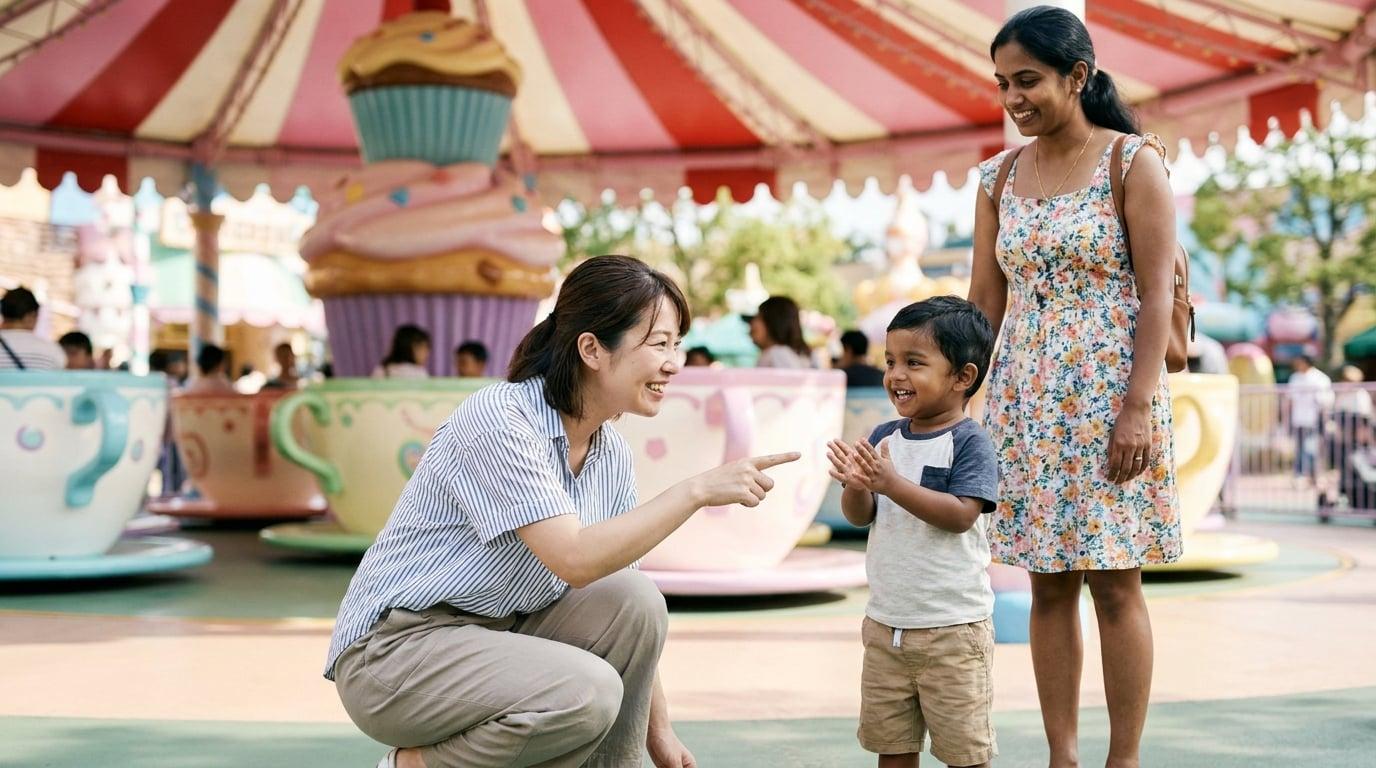
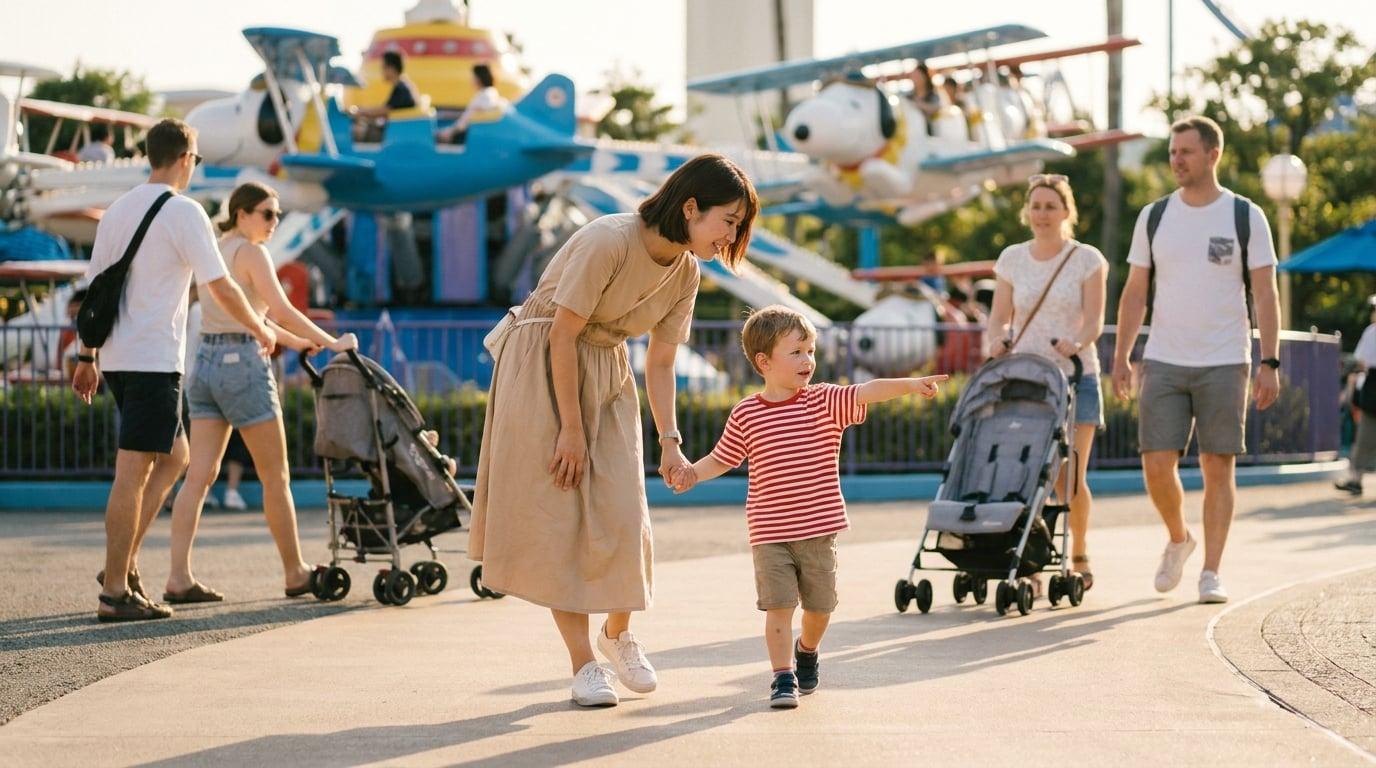
Universal Wonderland is the dedicated zone for small children. Here you'll find Hello Kitty's Cupcake Dream, which has no minimum height when riding with an adult. This gentle spinning ride suits babies and toddlers comfortably. The Flying Snoopy and Yoshi's Adventure both require 92cm when accompanied, which typically means children aged three to four and upwards.
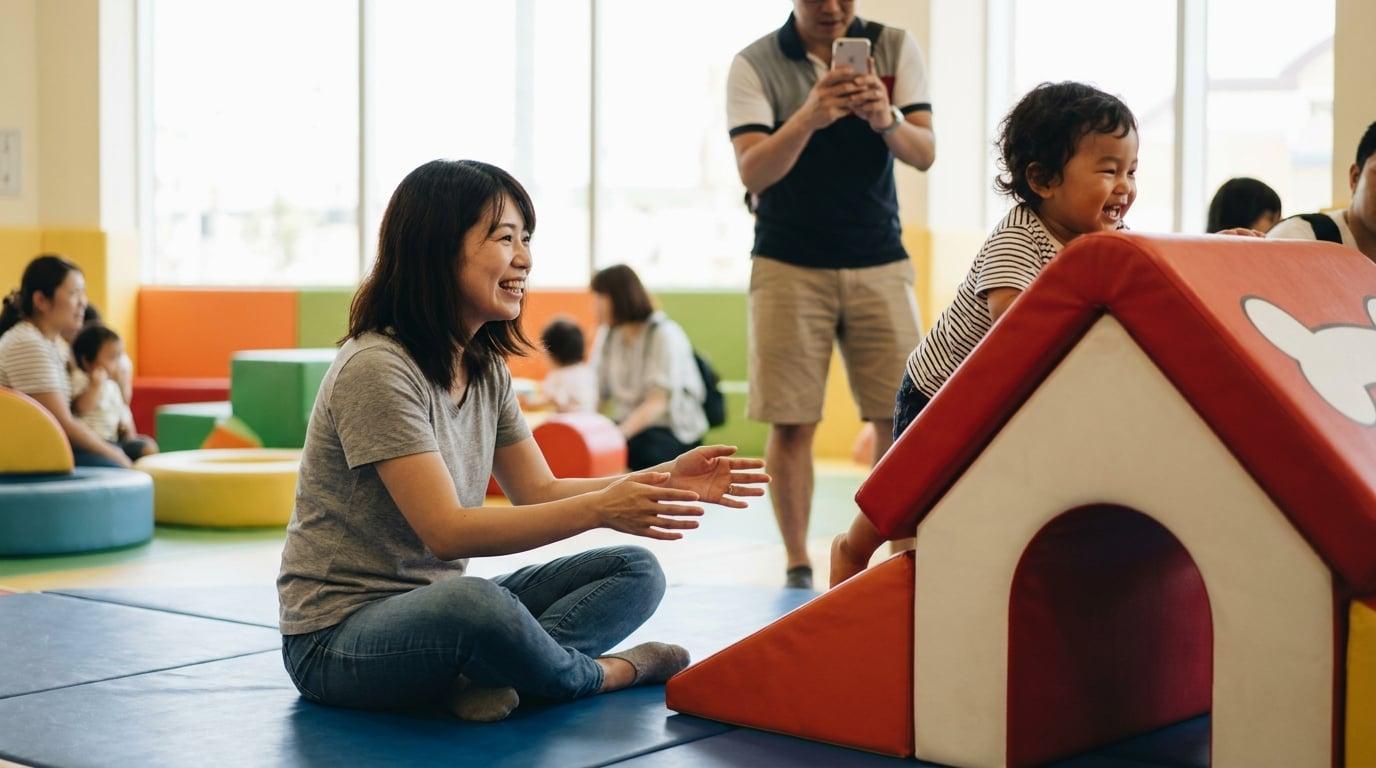
Snoopy's Sound Studio offers an indoor play area where toddlers can climb and explore without queuing. This becomes invaluable on hot afternoons or when energy flags. The area is air-conditioned, clean and designed for children who need to move rather than sit.
Outside Wonderland, options narrow quickly. Minion Park's Freeze Ray Sliders requires 92cm with an adult. Super Nintendo World's headline rides all need 92cm minimum, and the area itself requires timed entry, which adds complexity when you're managing nap schedules.
If your child is under 92cm, you're looking at one ride, a few character meet-and-greets, the indoor play area and shows. That's not nothing, but it's a limited day for the ticket price.
[[image:1]]
Queue Strategy That Doesn't Wreck Naptime
The Universal Studios Japan app controls your day more than any map. Download it before you arrive and register everyone's tickets using the QR codes. This lets you grab Area Time Entry passes for Super Nintendo World and timed tickets for certain Wonderland rides, all from one device.
Timed tickets for Wonderland rides are called Yoyakunori. These give you a scheduled slot and cut wait times dramatically. Grab these as soon as you enter the park if your child is tall enough for the rides that use them. The system works well, but slots fill quickly on busy days.
Child Switch exists for families where one parent wants to ride something the toddler can't. Both adults queue in the Single Rider line, then take turns on the attraction while one waits in a designated space with the child. It works, but it takes longer than you'd think. Ask staff for the realistic total wait time before committing.
Afternoons in Universal Wonderland are your friend. Most visitors swarm Super Nintendo World and Harry Potter in the morning, leaving Wonderland relatively quiet after lunch. This is when you'll find 10 to 20-minute waits instead of 40.
Bring a stroller. The park is enormous, crowds are dense, and small legs tire quickly. Stroller parking is available at most rides. If you don't bring one, rentals are available near the entrance, though they disappear fast on weekends.
When Under-5s Struggle Here
Universal Studios Japan has very little shade. In summer, the heat is punishing for toddlers who can't regulate temperature as efficiently as adults. The park's layout means long stretches of open concrete between zones. If you're visiting between June and September, plan indoor breaks every 90 minutes and bring cooling items.
No re-entry is permitted once you leave the park. This matters if your child needs a proper nap or a meltdown reset. You cannot pop back to your hotel mid-afternoon, which you can do at some other theme parks. If your toddler still needs a two-hour midday sleep, the timing doesn't work unless you're prepared to find a quiet corner and use the stroller.
Food inside the park is expensive and not especially toddler-friendly. Outside food is restricted, though small snacks for children are generally tolerated. Most families report their toddlers eating very little of the restaurant meals, which makes the cost sting more. Pack plenty of small snacks your child actually eats.
Measuring your child's height at each ride is essential if they're borderline for the 92cm requirement. Staff measure at the entrance, and if your child just meets the minimum, they'll receive a wristband that speeds up boarding at other rides. Don't skip this step.
[[image:2]]
How a Local Nanny Helps Here
Managing queue times, nap schedules and a toddler's energy across a vast, crowded theme park is easier with an extra pair of hands who knows the park's rhythms. The Travel Nanny matches families with experienced local nannies in Osaka who can hold your place in slower-moving queues, entertain your child during waits, and navigate the app and kiosks in Japanese when you need timed entry sorted quickly. A nanny familiar with USJ knows which Wonderland rides suit which temperaments, where the quietest baby-care rooms are, and how to time your day so the toddler isn't melting down at 14:00 when Super Nintendo World finally opens up.
What Works Better Than a Full Day
If your child is under 92cm or still naps for two hours daily, the Twilight Pass is worth considering. This ticket grants entry from 15:00 onwards and costs significantly less than a full-day pass. Children aged 4 to 11 pay roughly ¥3,900 to ¥5,200 depending on the date.
The Twilight Pass suits toddlers because it skips the hottest part of the day and the longest queues. By mid-afternoon, many families with older children have moved on to the thrill rides, leaving Wonderland quieter. Your toddler is also fresh from a nap rather than flagging after six hours in the heat.
You'll miss Super Nintendo World's timed entry scramble, which is genuinely the most stressful part of a USJ day with small children. For families where Mario isn't the main draw, this is no loss.
Another option: stay at one of the official partner hotels. These offer early entry to the park, which means you can reach Wonderland before the crowds and knock out three or four rides before 10:00. For families with early-rising toddlers, this suits your schedule better than fighting for a midday timed slot.
If your child is 18 months to three years old and under 92cm, consider waiting a year. Universal Studios Japan is expensive, exhausting and offers very little for children who can't meet the height requirements. A day at Osaka Castle Park, the city aquarium and a local playground will bring more joy and cost a fraction of the price.
[[image:3]]
Practical Checklist for Under-5s at USJ
- Download the Universal Studios Japan app and register all tickets before you arrive
- Measure your child's height at home so you know which rides are possible
- Bring a stroller, even if your child rarely uses one at home
- Pack small snacks your toddler actually eats; don't rely on park food
- Arrive at park opening or consider a Twilight Pass if your child still naps
- Head to Universal Wonderland first and grab Yoyakunori timed tickets immediately
- Locate the baby-care rooms on the app; they're clean, air-conditioned and well-stocked
- Plan indoor breaks every 90 minutes in summer; heat exhaustion happens fast with toddlers
- Ask staff to measure your child and provide a wristband if they're borderline for 92cm
- Set realistic expectations: if your child is under three, this is a limited day, not a full theme park experience