



tokyo
本文目前仅提供英文版。
Ueno is the Swiss Army knife of Tokyo family days. Within a 10-minute walk you have Japan's oldest zoo, a world-class science museum, swan boats on a lotus pond, one of Tokyo's top cherry blossom spots, and a street market where fishmongers shout prices while your kids eat fresh fruit skewers. Spending a day in Ueno with kids is not just easy — it is almost unfairly stacked in your favour.
The area sits right around JR Ueno Station, which is on the Yamanote Line, multiple subway lines, and the Shinkansen. Whether you are arriving from your hotel in Shinjuku or Ikebukuro or coming straight from Narita Airport on the Skyliner, Ueno is painless to reach. Take the Park Exit and you are basically inside Ueno Park already.
This guide covers the practical bits: where to start, what to skip, how long each section takes, and what works for different ages. No fluff, no invented details — just the layout for a solid Ueno day with children.
Ueno Zoo: What to Expect and How to Manage the Queue
Ueno Zoo opened in 1882, making it Japan's first and oldest zoo. It sits inside Ueno Park and is split into two sections — the East Garden and West Garden — connected by a free shuttle bus. The old monorail was retired permanently.
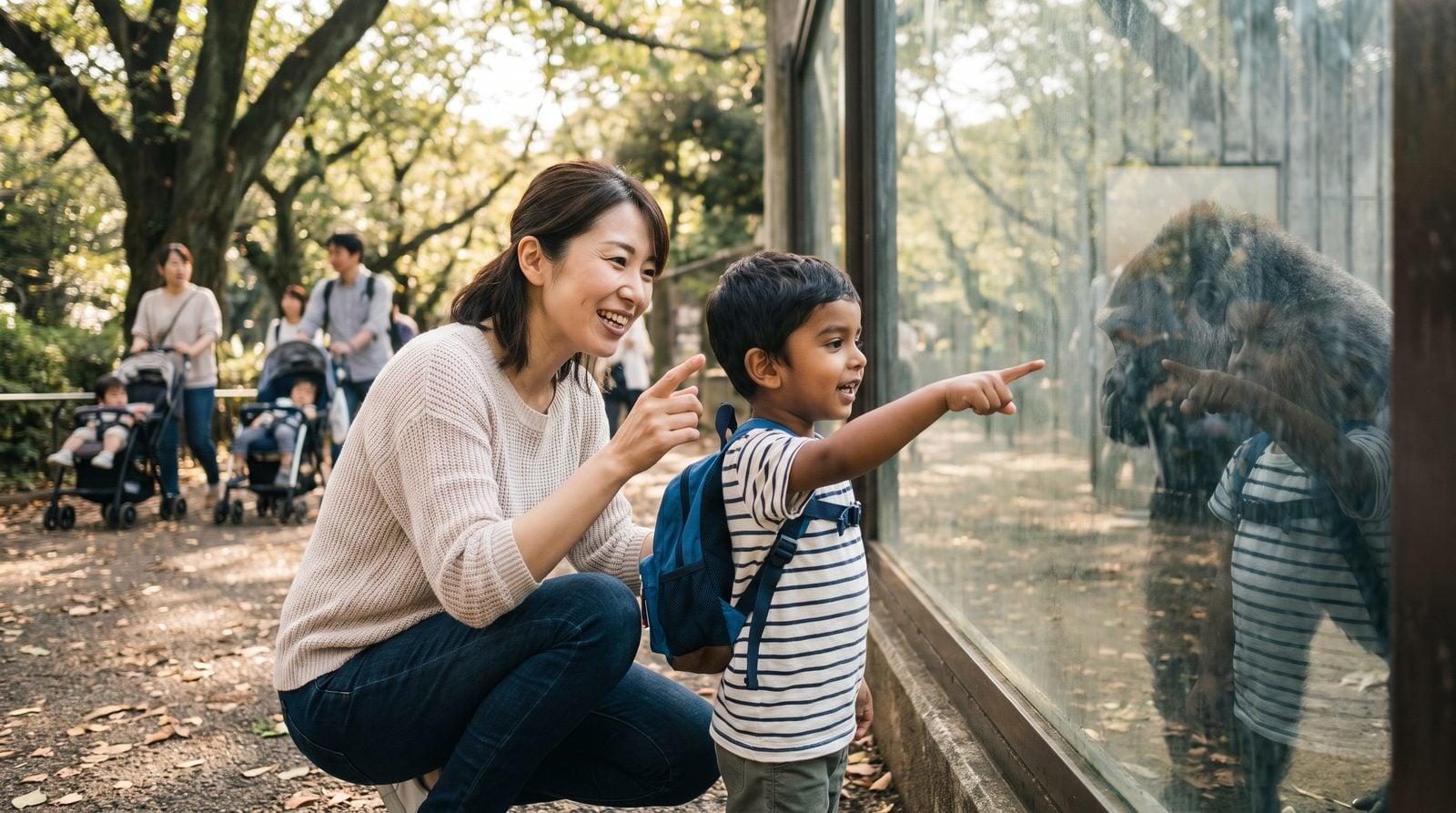
One important update: the giant pandas were returned to China in early 2026, so they are no longer resident. Many families still visit expecting pandas, so it is worth knowing before you go. That said, Ueno Zoo still holds over 300 species across roughly 3,000 animals, and plenty of them are genuine crowd-pleasers for kids.
What you will find:
- East Garden: Asian elephants, western lowland gorillas, Sumatran tigers, polar bears, and Japanese macaques. The gorilla area alone can hold a toddler's attention for 20 minutes.
- West Garden: Giraffes, hippos, zebras, and red pandas. The red pandas are active, adorable, and make excellent highlights for younger children.
- Children's Zoo area: A small petting area in the West Garden with farm animals and smaller creatures. Good for under-fives who want to get close.
Admission: Adults 600 yen, ages 13–15 who are non-Tokyo residents 200 yen, children 12 and under free. Junior high students who live or attend school in Tokyo also get free admission — bring student ID. There are also free admission days: 20 March, 4 May, and 1 October. Hours are 9:30 AM to 5:00 PM, last entry 4:00 PM, closed Mondays.
Queue strategy: The zoo opens at 9:30 AM. On weekends, two lines form: one for purchasing tickets on-site, one for people with pre-purchased online tickets. The online ticket line moves quickly and you can enter almost immediately after gates open. The on-site ticket line can take considerably longer. Buy tickets online beforehand to save precious time and minimise frustration with children. Check the official Ueno Zoo website for current schedules and any temporary closures.
Budget about two hours for a solid visit with kids, or 90 minutes if you are selective. Stroller rental is available near the entrance for 1,000 yen per stroller. Coin lockers are also available for storing coats and bags. Grab a physical map immediately inside the main entrance — English maps are provided.
Practical tip: Even arriving at 9:30 AM, queues can form quickly for popular animals. Head to the areas your children care most about first. Many families find that by afternoon, younger children are completely exhausted, so prioritise and accept you will not see everything in one day.
[[image:1]]
Ueno Park: Playgrounds, Swan Boats and Green Space
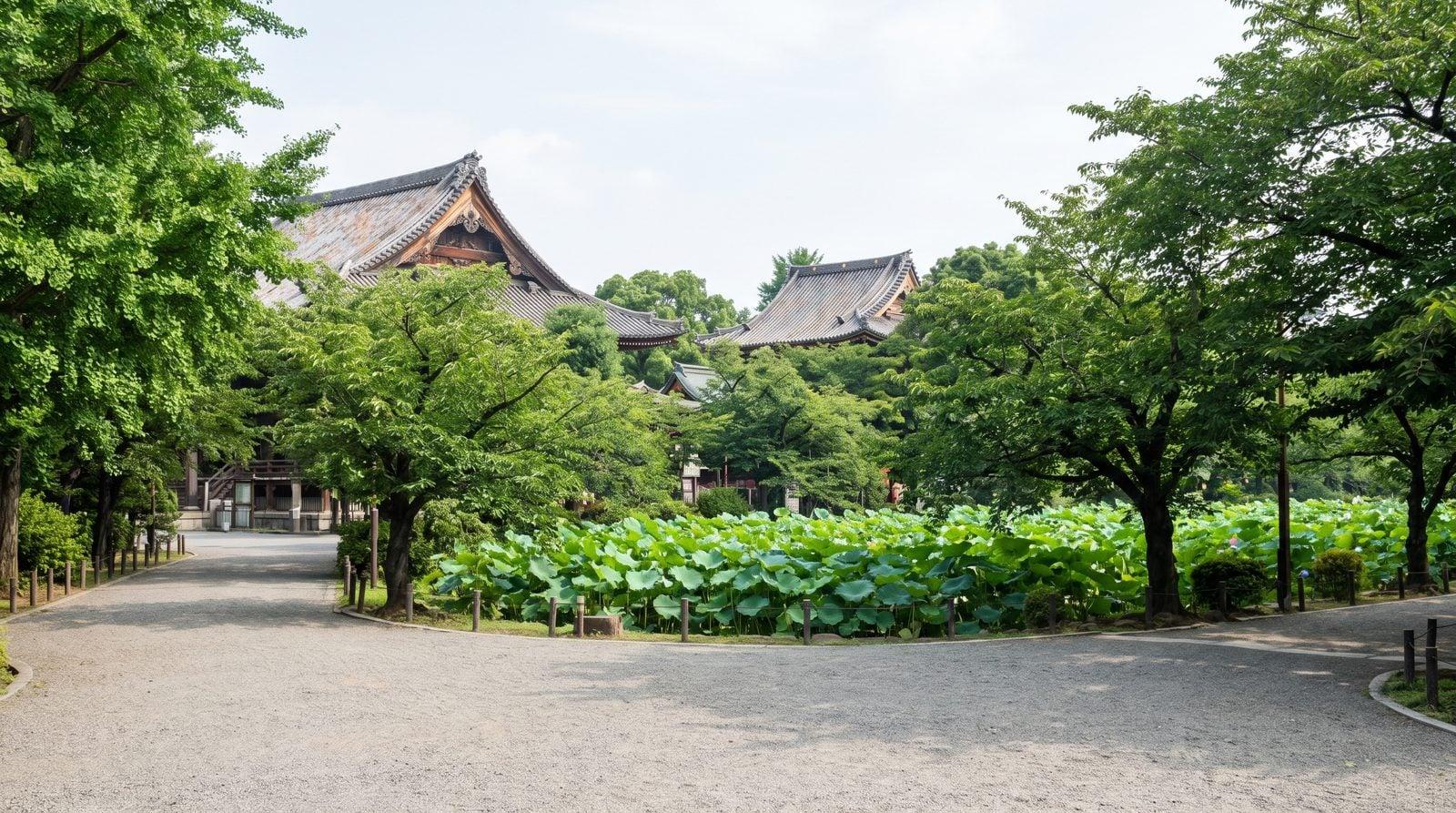
Ueno Park is huge — about 53 hectares — and contains the zoo, multiple museums, temples, and one of Tokyo's most famous cherry blossom viewing spots. During spring, over 1,000 cherry trees create spectacular pink tunnels throughout the park, and it becomes one of Japan's most popular hanami locations.
For families, the park offers several practical attractions beyond just walking paths:
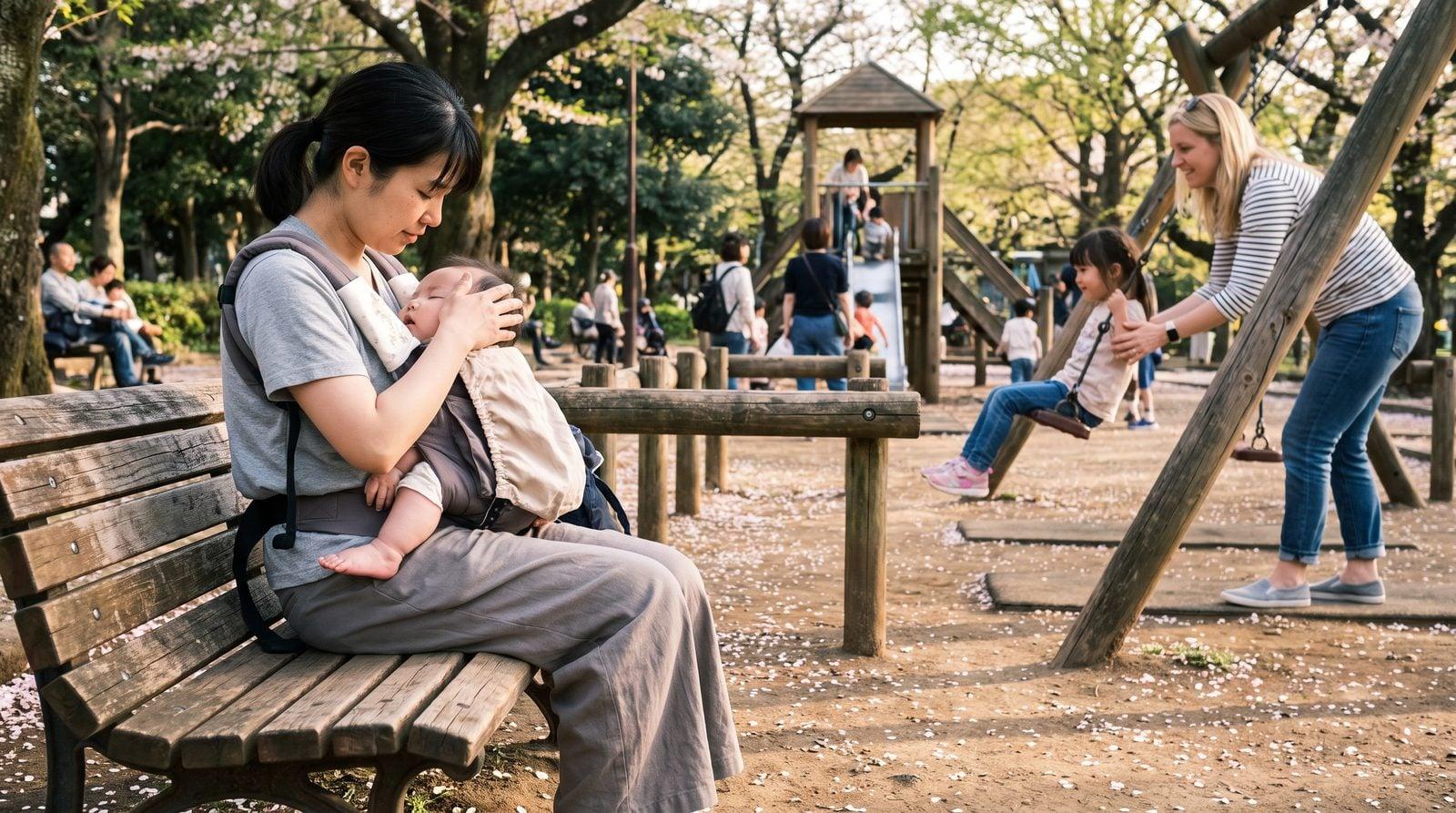
Playground: Near the zoo's main entrance and the Tokyo Metropolitan Art Museum, there is a public playground with climbing structures, slides, swings (including toddler bucket seats), and panda-shaped spring rockers. The ground is sandy, so expect dirty shoes. The equipment is all quite small and low-level, best suited to younger children — roughly under age eight. It is a lifesaver for burning energy between museums or before heading home. Public toilets and baby changing tables are located right next to the playground.
Shinobazu Pond boats: The southwestern corner of the park has Shinobazu Pond, where you can rent swan boats or cycle boats. Swan boats cost 1,000 yen for 30 minutes, and kids absolutely love them. In summer, the lotus side of the pond explodes into bloom — genuinely spectacular. Get there early on weekends; the line can hit 30–60 minutes during cherry blossom season.
General layout: The park is massive, and if you are pushing a stroller or managing toddlers, distances add up quickly. Plan your route in sections rather than trying to cover everything. Vending machines are strategically placed throughout the park for drinks and snacks. Near the zoo entrance, you will find cafes including a Starbucks where you can grab a coffee or snack.
On weekends, Ueno Park often hosts various stalls and events, adding an extra layer of spontaneous fun to your outing.
[[image:2]]
National Museum of Nature and Science: Dinosaurs, Space and Hands-On Exhibits
The National Museum of Nature and Science sits on the northern edge of Ueno Park, about a five-minute walk from the zoo's main entrance. It is one of Tokyo's best museums for children, with dinosaur skeletons, interactive science exhibits, a full-scale blue whale model, and a dedicated space exploration section.
The museum is split into two buildings: the Japan Gallery (focused on Japanese natural history) and the Global Gallery (covering everything from the origins of life to modern technology). For families with limited time, the Global Gallery is the stronger choice — dinosaurs, fossils, and taxidermy animals hold attention across a wide age range.
Highlights for kids:
- Full dinosaur skeletons, including a Triceratops and Tyrannosaurus
- Hands-on exhibits where children can touch fossils and minerals
- The space exploration section with moon rock samples and satellite models
- A rooftop garden with views over Ueno Park (weather permitting)
Admission: Adults 630 yen, high school students and under 18 free. Hours are 9:00 AM to 5:00 PM, last entry 4:30 PM, closed Mondays. Budget 1.5 to 2 hours for a solid visit with children. Check the official museum website for current exhibitions and any temporary closures.
Strollers are allowed throughout the museum, and lifts connect all floors. There are baby changing facilities and a small café inside.
Ameyoko Market: Street Food and Sensory Overload
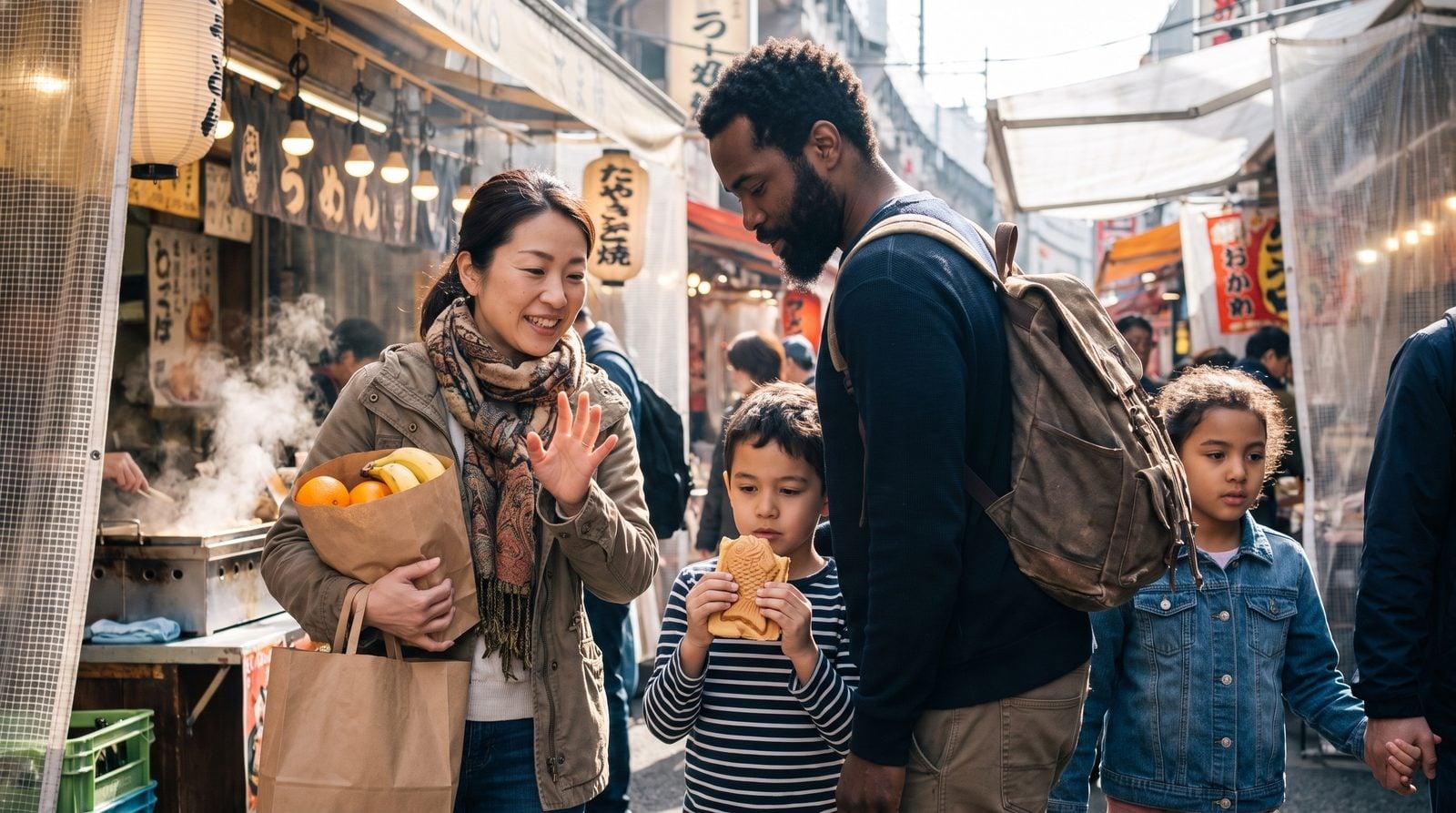
Ameyoko is a covered and open-air market street that runs along the elevated JR tracks between Ueno and Okachimachi stations. It is loud, chaotic, and absolutely brilliant with kids who are old enough to walk confidently in crowds (roughly age four and up). Strollers are technically possible but frustrating during busy periods.
The market started as a black market after World War II and has evolved into a mix of fishmongers, fruit stalls, discount clothing shops, cosmetics vendors, and street food stands. Vendors shout prices, samples are handed out freely, and the energy is infectious.
What to eat: Fresh fruit skewers, taiyaki (fish-shaped cakes filled with red bean paste or custard), takoyaki (octopus balls), yakitori (grilled chicken skewers), and roasted sweet potatoes. Most stalls have visual menus or display cases, making ordering straightforward even without Japanese. Prices are reasonable — budget 500 to 1,000 yen per person for snacks.
Practical tip: Ameyoko works best as a late-morning or lunchtime stop rather than a sit-down meal destination. Grab food as you walk, let kids choose what looks interesting, and keep moving. The southern end near Okachimachi Station has slightly fewer crowds if you need breathing room.
There are public toilets at both Ueno and Okachimachi stations, but none inside the market itself. Plan accordingly.
[[image:3]]
How a Local Nanny Helps Here
Ueno's layout is straightforward, but managing multiple young children across a zoo visit, museum stop, playground break, and market walk can stretch even experienced parents thin. A local nanny from The Travel Nanny can meet you at Ueno Station, help navigate ticket purchases and queues, keep an eye on older siblings while you manage a napping baby, and provide Japanese language support when ordering food or asking staff questions. It transforms a potentially stressful logistics day into a genuinely relaxed family outing.
Half-Day and Full-Day Ueno Routes
Half-day route (3–4 hours):
- Arrive at Ueno Station Park Exit by 9:30 AM
- Head straight to Ueno Zoo (2 hours, hitting both East and West Gardens)
- Let kids burn energy at the playground (20 minutes)
- Walk to Ameyoko for street food lunch
Full-day route (6–7 hours):
- Arrive at Ueno Station Park Exit by 9:30 AM
- Ueno Zoo East and West Gardens (2 hours)
- Playground break (20–30 minutes)
- National Museum of Nature and Science (1.5–2 hours)
- Shinobazu Pond swan boats (30–45 minutes)
- Ameyoko market for late lunch or snacks (45 minutes)
- Optional: Browse Yamashiroya toy store (a multi-storey toy shop near Ueno Station) before heading home
For babies and toddlers: Shorten the zoo visit to 90 minutes, skip the museum, and focus on the playground and a short park stroll. Naps and long walking distances are the main caution with very young children.
For school-age children: The full-day route works well. Older kids (roughly age eight and up) can easily spend longer at the science museum and will enjoy the Ameyoko market energy.
Practical Checklist: Before You Go
- Buy Ueno Zoo tickets online the night before to skip the on-site ticket queue
- Arrive at Ueno Station Park Exit by 9:30 AM on weekends to beat crowds
- Bring a carrier or lightweight stroller — distances inside Ueno Park add up quickly
- Pack snacks and water, though vending machines are plentiful throughout the park
- Wear comfortable walking shoes — the zoo and park involve several kilometres of walking
- Check the official Ueno Zoo and National Museum of Nature and Science websites for current hours and any temporary closures
- Budget 600 yen per adult for zoo entry, 630 yen per adult for the museum, plus 1,000 yen for swan boats and 1,000–2,000 yen per person for Ameyoko snacks
- Public toilets with baby changing facilities are located near the playground, inside the zoo, inside the museum, and at both Ueno and Okachimachi stations
- If visiting during cherry blossom season (late March to early April), expect significantly larger crowds and longer queues for swan boats
- Coin lockers are available at Ueno Station and inside the zoo entrance for storing bags and coats
Ueno delivers one of Tokyo's most efficient family days. Everything is close, public transport is easy, and the mix of animals, science, green space, and street food covers a wide age range. Plan your route, buy tickets in advance, and start early — the rest takes care of itself.